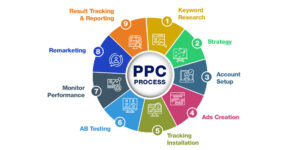
PPC Campaign Management: The Ultimate Guide to Maximizing ROI
topseohelp.in Discover expert strategies for PPC campaign management to boost ROI, drive traffic, and convert clicks into customers. Learn tools, tips, and optimisation tactics. Introduction Running ads online can be a game-changer for your business—if you know how to manage them right. Pay-per-click (PPC) advertising gives you the chance to drive targeted traffic fast and boost conversions, but it’s not as simple as setting it and forgetting it. Smart PPC campaign management is what makes the difference between wasted ad spend and serious returns. In this friendly guide, we’ll walk you through everything you need to know to run PPC campaigns that actually work. Whether you’re a small business owner, a digital marketer, or just curious about online advertising, this guide is designed to break it all down in a simple, digestible way. What is PPC Campaign Management? Think of PPC campaign management as your behind-the-scenes strategy for running paid ads. It’s about planning, tweaking, and optimizing ads on platforms like Google Ads, Bing, or Facebook to get the most bang for your buck—literally paying only when someone clicks. It includes everything from setting budgets and choosing the right keywords to designing compelling ad creatives and analyzing performance metrics. Why PPC Campaign Management Matters Setting Clear Goals for PPC Campaigns The first step to a winning PPC campaign? Knowing what you want to achieve. That could be: Clear goals shape your strategy, from the keywords you choose to the messaging in your ads. It also helps in measuring success and making data-driven decisions[2]. Keyword Research and Selection Keywords are the foundation of PPC. You want ones that your audience is actually typing into search engines. Use tools like Google Keyword Planner, SEMrush, or Ubersuggest to: Also, think about the buyer’s journey. People searching “best running shoes 2025” are likely in a different stage than someone searching “buy Nike Air Max size 9[3].” Creating Effective Ad Copy Your ad copy is your digital salesperson. It should speak directly to your audience and encourage them to take action. Make sure it’s: Using emotional triggers like urgency (“limited time only”) or exclusivity (“only available to members”) can also make your ads more effective[4]. Landing Page Optimization Getting the click is only half the battle. Your landing page needs to convert that click into an action. Here’s how to make sure your page does its job: Remember: if your landing page isn’t converting, you’re throwing money away[5]. Structuring Your PPC Campaign Think of campaign structure as the foundation of your PPC house. A solid structure makes it easier to manage and optimize. Here’s a common setup: A clean structure not only improves Quality Score but also makes reporting and optimization easier down the line[6]. Bidding Strategies Choosing the right bidding strategy is crucial for meeting your goals without overspending. Here are some common options: Consider running experiments to test which strategy works best for your business[7]. A/B Testing and Ad Variations Testing is the secret sauce of PPC success. Run A/B tests to compare different versions of your ads. Test variables like: Keep a close eye on performance metrics, and always be learning. The best campaigns are those that evolve based on real-world feedback[8]. Budget Management Your PPC budget should be a living, breathing thing—not set in stone. Here’s how to manage it effectively: Even small tweaks can result in significant cost savings and better ROI[9]. Using Negative Keywords Negative keywords are your best friend when it comes to cutting out waste. They prevent your ads from showing up for irrelevant searches. For example: Add negative keywords at both the campaign and ad group levels, and review your search term reports regularly to catch new ones[10]. Geo-Targeting and Scheduling Want to get even more specific? Use geo-targeting to show ads in certain areas. This is especially useful for: Likewise, ad scheduling helps you show ads during high-converting hours or days. Use analytics to determine when your audience is most active and adjust accordingly[11]. Conversion Tracking If you’re not tracking conversions, you’re flying blind. Set up conversion tracking to measure: Use Google Tag Manager, Google Analytics, or platform-specific pixels to ensure accurate data collection[12]. Leveraging PPC Automation Automation doesn’t mean giving up control. When used wisely, it can boost performance while saving time. Try these automation tools: Analyzing Performance Metrics Your campaign’s success depends on what you track. Key metrics to monitor: Make it a habit to review metrics weekly and adjust as needed. Continuous Optimization Don’t let your campaigns run on autopilot. Continual tweaks lead to continual improvement. Consider: PPC success doesn’t come from one big win—it’s the result of small, consistent changes over time. Common PPC Mistakes to Avoid Learn from these pitfalls and build your campaigns on a stronger foundation. Industry-Specific PPC Campaign Management Strategies Not all industries are created equal when it comes to PPC. Tailoring your PPC campaign management approach based on your sector can dramatically boost results. For example: By understanding what works best in your industry, you can streamline your PPC campaign management efforts to generate better leads and reduce costs. Remarketing and Retargeting Campaigns Remarketing is a powerful tactic in PPC campaign management that helps bring back visitors who didn’t convert the first time. Key strategies include: Retargeting helps increase conversions by reinforcing your brand message and encouraging return visits. PPC for Mobile Campaigns Mobile-first strategies are essential in today’s digital landscape. Effective PPC campaign management for mobile includes: Most searches now happen on mobile, so if your PPC campaign management isn’t mobile-ready, you’re missing out. Advanced Targeting Options in PPC Campaign Management To get laser-focused with your campaigns, take advantage of advanced targeting features such as: Incorporating these tactics into your PPC campaign management plan can help deliver hyper-relevant ads that convert. Aligning PPC with Other Marketing Channels Your PPC campaign management should never exist in a vacuum. It works best when integrated with other digital marketing strategies like: A holistic marketing approach ensures every click works harder for your business. The Future of PPC … Continue reading PPC Campaign Management: The Ultimate Guide to Maximizing ROI
